

Why Traditional Indonesian Cuisine Bali Matters
The culinary identity of Indonesia is deeply rooted in regional ingredients and centuries of localized cooking methods. When global epicureans look for authentic flavors, this specific province serves as an essential hub for discovering ancestral food preparation. Exploring traditional Indonesian cuisine Bali offers an intricate window into how indigenous communities utilize local spices, volcanic soil harvests, and coastal resources. Understanding these methods provides an analytical look into the wider heritage of the archipelago.
As global gastronomy shifts toward heritage preservation, the island has seen a massive movement to document and revive disappearing recipes. Prioritizing traditional Indonesian cuisine Bali allows researchers and travelers to look beyond commercial tourist menus and understand genuine cooking techniques. This informative guide explores how regional farming, native ingredients, and sustainable modern kitchens define the island food culture.


Why does traditional Indonesian cuisine in Bali matter?
The complex flavor profiles found across the province rely on strict adherence to seasonal agriculture and historical spice blends. Unlike standard international food options, traditional Indonesian cuisine Bali relies entirely on the precise grinding of raw roots and herbs. The cornerstone of local kitchens is base genep, a foundational spice paste that combines galangal, fresh turmeric, ginger, bird eye chilies, and aromatic candle nuts. This meticulous combination creates an intense flavor foundation that balances savory, sharp, and sweet elements.
When culinary historians analyze traditional Indonesian cuisine Bali, they notice a profound spiritual and social connection to daily life. Dishes are often prepared using communal cooking techniques for ceremonial gatherings, linking community bonding with food preparation. Utilizing resources from local organic farms ensures that these heritage dishes remain connected to the land. This deep regional alignment explains why food lovers seek out authentic island kitchens to understand the true culinary craftsmanship of the region.
What are the main cooking techniques?
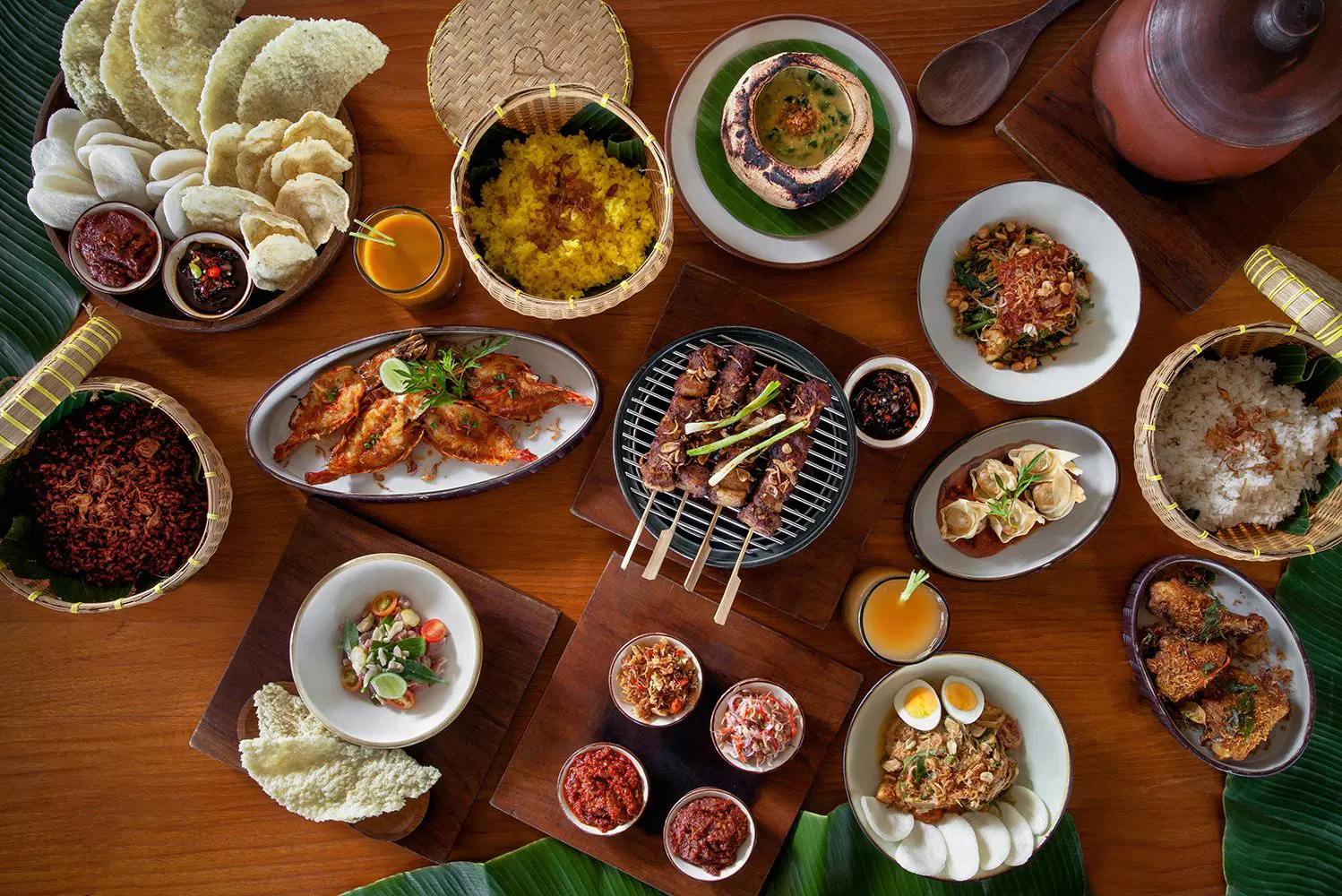
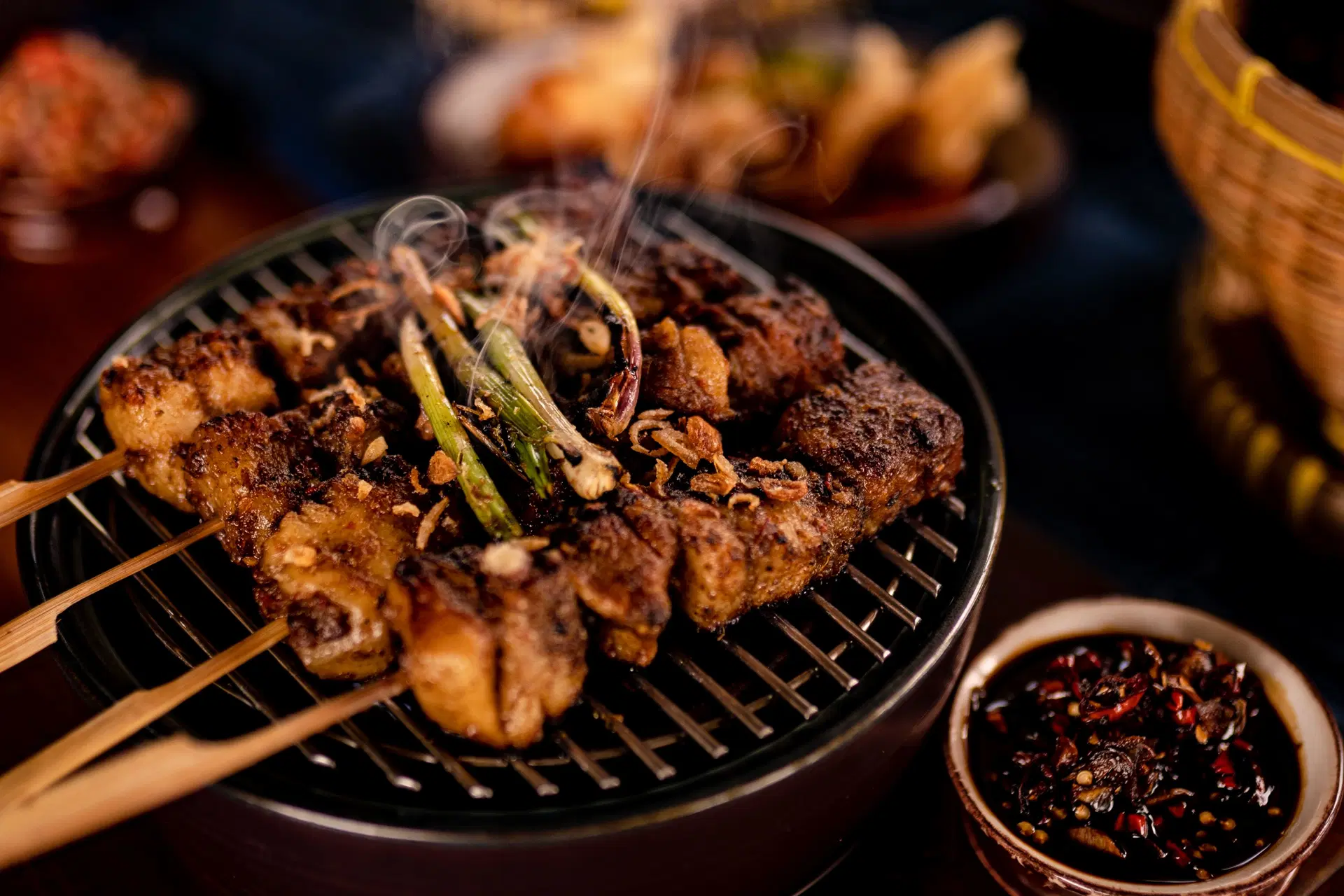
Achieving the deep flavors of the island requires patient, time honored cooking methods that have been passed down for generations. Within traditional Indonesian cuisine Bali, slow cooking over open fires or using hot wood ash is a critical practice for tenderizing proteins. Wrapping meats in local banana leaves before roasting or burying them in earthen pits allows herbs like lemongrass and salam leaves to infuse deeply. These traditional methods ensure maximum flavor retention and create a distinct smoky aroma.
Another defining element is the varied use of native sambals, which act as crucial flavour enhancers across the province. Incorporating these raw or cooked chili pastes into traditional Indonesian cuisine Bali ensures a multi layered sensory experience. From the popular sambal matah made with raw shallots and lemongrass to intense shrimp paste variants, these condiments showcase regional agricultural diversity. This technical dedication to small batch preparation highlights the culinary sophistication of local cooks.

Where can you find authentic food?
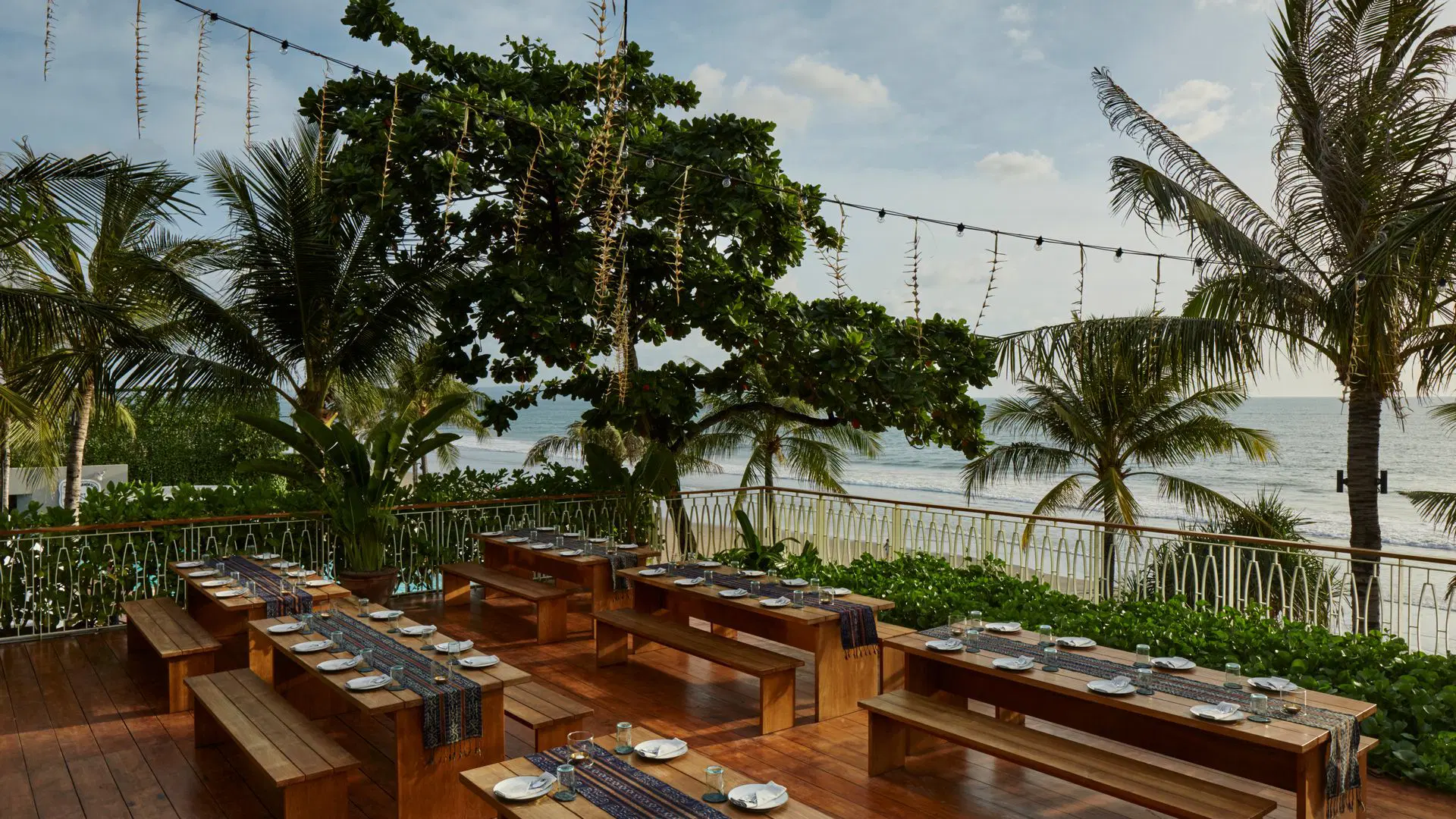
While the interior highlands of Ubud are traditionally associated with farming, the southwest coastline has developed into a major center for culinary preservation. The beachfront neighborhood of Seminyak hosts innovative hospitality venues that blend modern design with cultural education. Anyone searching for a premium Indonesian restaurant in Bali will find that coastal kitchens are actively elevating ancestral recipes. These spaces serve as culinary archives where international visitors can study regional Indonesian food arts.
Desa Potato Head stands out as a coastal destination that merges luxury entertainment with deep cultural respect. Inside this creative space, finding a dedicated Indonesian restaurant in Bali is a primary highlight for curious diners. These modern kitchens work alongside local culinary historians to preserve oral recipes before they disappear. This successful combination of high end hospitality and cultural documentation allows traditional Indonesian cuisine Bali to flourish along the bustling oceanfront.
How does Kaum Restaurant preserve recipes?
The actual execution of these rare tribal flavors is beautifully demonstrated at Kaum Restaurant, located on the Seminyak shoreline. Operating as a premier Indonesian restaurant in Bali, its name translates directly to clan or tribe, reflecting an operational mission to honor indigenous cooking collectives. Dining at Kaum Restaurant offers a curated exploration of authentic recipes, bringing hidden village dishes into a sophisticated beachfront environment. The kitchen utilizes traditional wood fires and custom stone mortars to ensure flavor accuracy.
The culinary researchers at Kaum Restaurant partner with small-scale Balinese farmers and coastal fishermen to source rare heirloom ingredients. From heritage red rice grown in pristine mountain terraces to volcanic sea salt harvested by local artisans in East Bali, ingredient purity is strictly maintained. Exploring traditional Indonesian cuisine Bali through this specific venue helps safeguard endangered agricultural practices from corporate assimilation. It demonstrates that premium dining can actively contribute to the economic survival of local rural communities.

Why is sustainability important for food?
The long term survival of ancestral cooking practices is dependent on the health of local agricultural ecosystems. Within a forward thinking Indonesian restaurant in Bali, zero waste principles are being integrated directly into premium food production. Chefs protect the environment by upcycling organic kitchen scraps into rich ferments, sourcing hyper local produce, and refusing single use plastics. This environmental focus guarantees that serving regional heritage food protects the natural landscape for future generations.
Supporting establishments that prioritize these values creates a more sustainable tourism industry across the province. Choosing authentic regional flavors encourages the wider hospitality market to invest in local biodiversity and regional farming networks. By understanding the historical narratives behind every unique spice paste, consumers can appreciate the true cultural value of local food. This shift toward mindful dining ensures that the authentic flavors of the island remain vibrant and unchanged.